Published Updated
A water bill three or four times higher than normal usually means one thing: water has been escaping somewhere you cannot see it. The good news is that Water Corporation runs a leak allowance scheme, and it can credit up to 50% of the water you lost back to your account.
The scheme is not automatic. You have to apply, you have to meet the criteria, and the leak has to be repaired by a licensed plumber before Water Corporation will look at it. Here is how it actually works in Western Australia, and how to apply.
What the leak allowance is
It is a credit, not a refund. Water Corporation estimates how much water escaped through the leak, then credits up to half of that back to your account. The credit appears on your next bill rather than arriving as a payment.
The reasoning is simple. A concealed leak is not something a homeowner can reasonably be expected to notice, so charging full price for water nobody used or enjoyed is considered unfair. Leaks you could have seen and fixed yourself are treated differently.
Do you qualify?
There are four tests, and you need to pass all of them.
- The leak was hidden. It could not be readily detected by looking. Think a cracked pipe underground, inside a wall, or running under paving, tiles or a driveway.
- The bill crossed the threshold. The water use charge on your recent bill was over $250, or your water use was over 150 kilolitres.
- A licensed tradesperson did the repair, and did it promptly. Internal and underground pipes have to be repaired by a licensed plumber. Irrigation leaks have to be repaired by a Waterwise Garden Irrigator. Water Corporation expects the repair within 60 days of the leak being found.
- You occupy or maintain the property. Owner occupiers, and tenants responsible for the water account, generally qualify. Vacant properties, properties under construction and properties with uncapped meters do not.
Which leaks count, and which do not
This is where most claims fall over, so it is worth being clear.
Usually eligible
- A cracked or broken pipe underground
- A leak inside a wall cavity
- A pipe failing underneath paving, a driveway or a concrete slab
- A buried irrigation main, provided the system has a manual isolation valve and a master solenoid
Usually excluded
- Dripping taps, shower heads and other visible fittings
- Running or leaking toilet cisterns
- Swimming pools, spas, ponds, water features and their fittings
- Faulty appliances such as hot water systems, dishwashers and washing machines
The distinction Water Corporation draws is visibility. If a reasonable person walking around the property would have spotted it, the allowance does not apply. A toilet that has been running quietly for four months is frustrating, but it is not a hidden leak.
The five steps to claiming
- Confirm you actually have a leak. Turn off every tap and water-using appliance, then check the meter. If the dial is still turning, water is going somewhere. Our guide to the eight signs of a hidden leak walks through the rest of the checks.
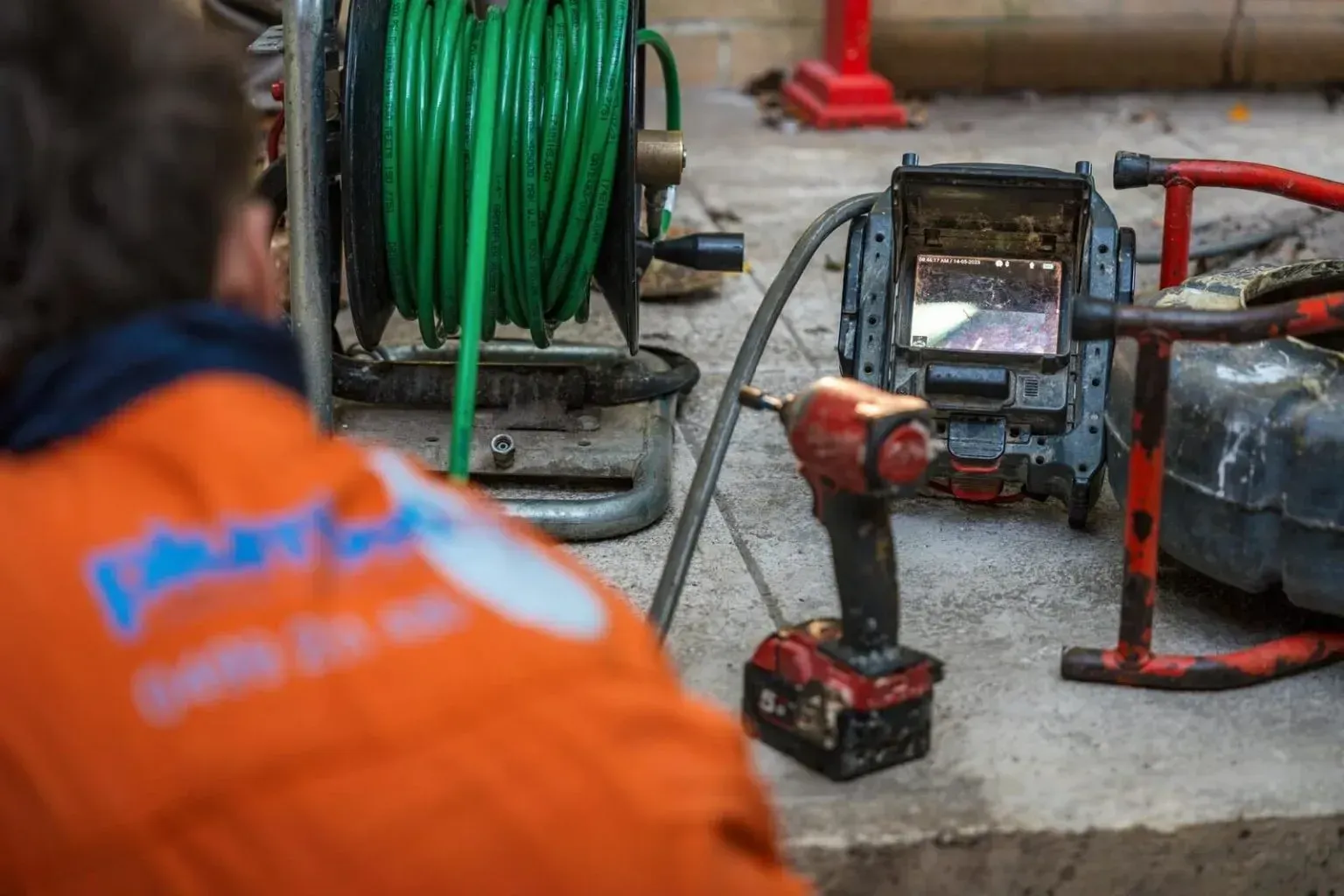
- Get the leak located. This is the step most people skip, and it is the expensive one to get wrong. Non-destructive leak detection pinpoints the failure before anything is opened up. Digging on a hunch costs more than finding the leak properly.
- Have it repaired by a licensed plumber. Water Corporation will not assess a claim on an unrepaired leak, and the repair has to meet industry standard.
- Keep the tax invoice. The repairing plumber’s invoice is the document the claim rests on. Without it there is no claim.
- Apply within six months of the repair date. Miss that window and the allowance is gone regardless of how large the bill was.
How to apply
The application is an online form on the Water Corporation website. There is no paper form and no PDF to download, and it takes about five minutes once you have the documents in front of you.
- Open the Water Corporation leak allowance application page and start the form.
- Enter your account details from your latest bill.
- Enter your meter number and a current meter reading, or the reading taken straight after the repair.
- Describe the leak: where it was, when it was found and when it was repaired.
- Upload a digital copy of the licensed plumber’s tax invoice. A clear photo of the paper invoice is fine.
- Submit. Water Corporation confirms the outcome within 20 business days, and a successful claim is credited on your next bill.
If you cannot apply online, call Water Corporation on 13 13 85 between 8am and 5pm on weekdays and they will take the application over the phone.
What the form asks for
Have these ready before you start:
- Your account number and the water use figure in kilolitres from your latest bill
- Your meter number, printed on the meter face
- A current meter reading, or a reading taken after the repair
- The date the leak was found and the date it was repaired
- A digital copy of the repair invoice from the licensed plumber, showing their plumbing contractor licence number
A worked example
Say your normal quarterly use is 60 kilolitres, and the bill that arrived after the leak shows 300 kilolitres. Water Corporation treats the difference, 240 kilolitres, as the estimated water lost.
The allowance is up to 50% of that lost water, so up to 120 kilolitres is credited back at the water use rate you were charged. At the residential rates in force at the time of writing, that is a credit in the region of a few hundred dollars, depending on which consumption tier the excess fell into. You still pay for the other 120 kilolitres, and for the repair.
The number that changes the outcome most is how quickly the leak is found. Every week a hidden leak keeps running adds to the half you will not get back.
Why claims get knocked back
In our experience the same handful of reasons come up again and again.
- The six month window closed. People repair the leak, move on with life, and remember the allowance a year later.
- The leak was visible. A dripping outdoor tap does not qualify no matter how long it ran.
- No repair invoice. A mate fixed it, or it was patched informally, so there is no licensed plumber’s invoice to attach.
- The bill did not cross the threshold. Under $250 in water use charges, or under 150 kilolitres, and there is nothing to assess.
- The repair took too long. A leak found in January and fixed in June falls outside the 60 day expectation.
Where we fit in
We are a leak detection specialist, not a repair crew. We find the leak and document it, which is the part that makes the rest of the process possible.
We use acoustic correlation, FLIR thermal imaging and hydrogen-nitrogen tracer gas to locate hidden leaks to within 10mm, before any tile, slab or driveway is touched. You get a written report with the location documented, which supports your claim, and we can assist with the application itself. The repair is carried out by a licensed plumber we coordinate, often our parent company Plumbed Right, and their invoice is what you attach.
Detection starts at $395 for the first hour. If we cannot find a leak greater than 10 litres per hour, audible or weeping water, you do not pay for the visit.
If you are in Joondalup or the northern corridor, our Joondalup leak detection page has the local detail. Wherever you are in Perth, if your bill has jumped and you cannot see why, call 0482 096 044. The sooner the leak is located, the less water you lose while the claim is being sorted out.